March 4, 2026
“The important thing is that story is everywhere, and there will always be a form that lets you in.”
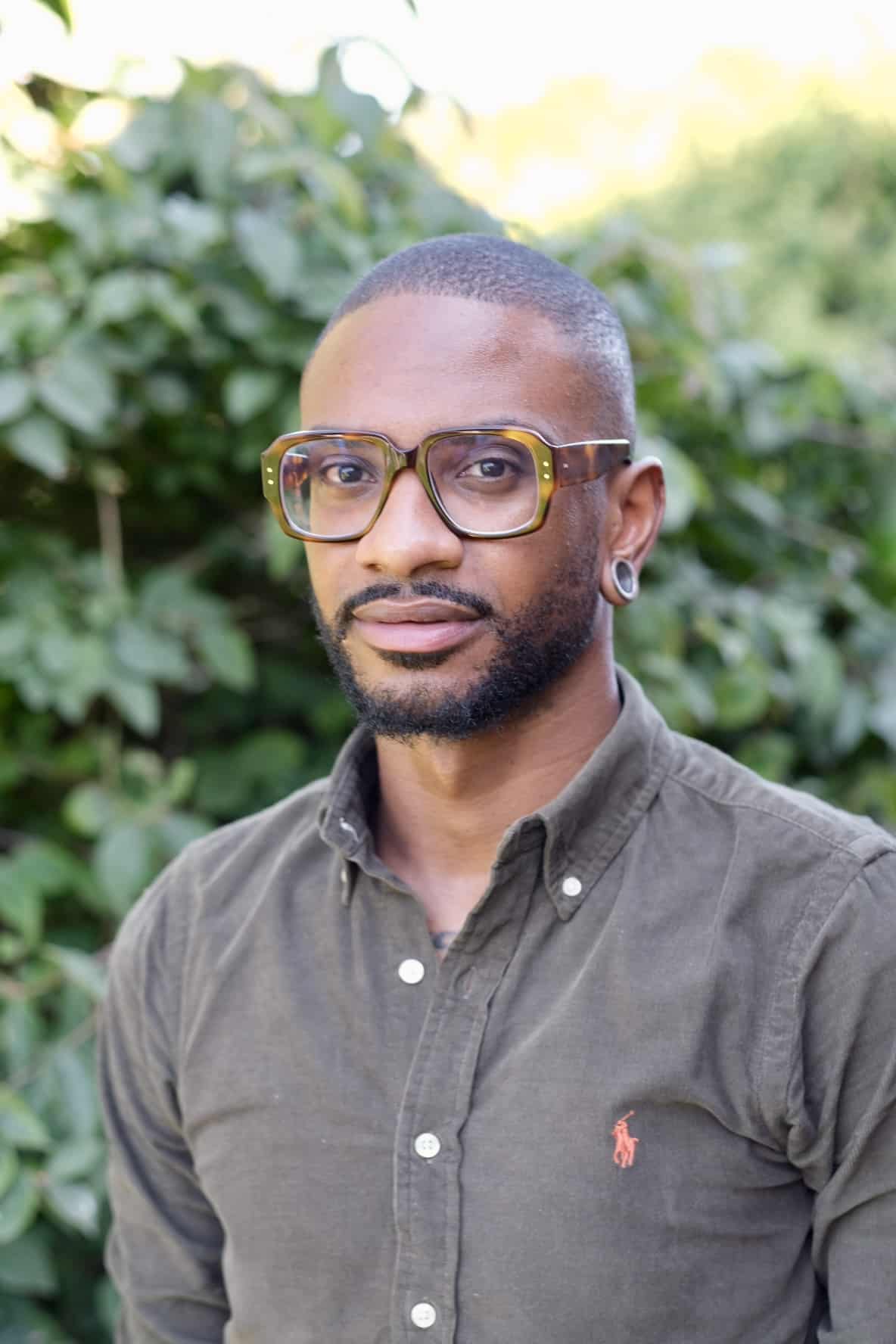
At the Diverse Book Awards 2025, we were thrilled to meet author and poet, Ashley Hickson-Lovence, winner of the Best Young Adult Book award for Wild East, which we loved reading and quizzing for Accelerated Reader.
Quiz writer Beverly Sanford considered it an essential novel for teens, noting: “Through the immediacy of verse, this novel allows the reader to stay present in Ronny’s experience as a Black teenager who moves away from everything he has ever known, to live in a new city.”
A former secondary school teacher and a lecturer in English and Creative Writing, Ashley is an exciting and authentic voice in contemporary storytelling, who draws upon his passions, experience and environment to craft compelling and relatable characters in stories that celebrate diversity, community and the human experience.
Beverly had the chance to chat with Ashley about his influences and his journey as a writer. You can find the full version of this Q&A, which also includes a conversation about finding a story form that fits the reader, in The Reading Room, Renaissance’s online magazine for AR and myON users, available here, where you can also check out the previous editions and download free resources.
We are grateful to Ashley for giving us the opportunity to interview him, and we’re excited to read his next novel!
What made you pick up a pen and begin to find your voice as an author?
Discovering poetry in my late teens was a real game changer. It helped me engage with literature in a new way and, eventually, find my own voice. I was especially drawn to the work of Frank O’Hara, an American poet who wrote with such ease and lack of pretence it often felt like he was just chatting to you on the page. I also fell in love with Shakespeare’s sonnets. I’ve always loved music too. Growing up, I didn’t see many books that reflected the people or places I knew, so part of developing my voice came from wanting to fill that gap. Writing became a way to honour the communities that shaped me and to turn everyday life into something meaningful on the page in a way that, hopefully, feels lyrical, relatable and accessible to others.
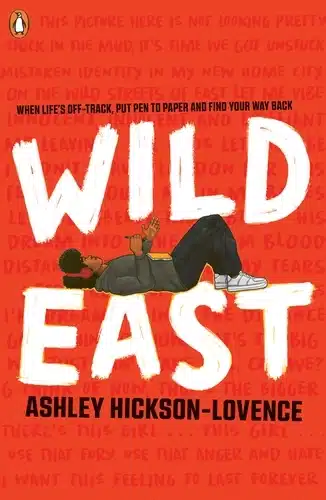
We loved reading and quizzing Wild East for Accelerated Reader. Can you tell us a little about writing it? For example, was it always written in verse, and is it grounded in personal experience?
Wild East arrived in verse almost immediately. The more I wrote into the story the more lyrical I allowed it to become. In my previous books (The 392 and Your Show) for adults, I was playing with poetic techniques, but I really leant in when writing Wild East, which was incredibly freeing. The story felt emotional and rhythmic and verse allowed me to move with that energy. I love music and Ronny loves music, so I wanted Wild East to sound as song-like as possible on the page. Leaning into this let me write with urgency, humour and vulnerability all at once. There are definitely touches of my own teenage years in there: the friendships, the anxieties, the sense of wanting to escape and belong at the same time. But with every chapter I wrote, Ronny became his own character and that was amazing to experience first-hand.
Are there any particular books, from childhood or later, that will always have a place on your bookshelf?
Julie and Me and Michael Owen Makes Three by Alan Gibbons was a book I loved in Year 5 and Year 6. I also loved reading football autobiographies. Later on, discovering writers like Zadie Smith and Sam Selvon opened doors I did not even realise were closed. Selvon’s The Lonely Londoners in particular showed me how voice can sing on the page. More recently, I keep close the work of writers who bend form and take risks, authors like Max Porter whose books remind me that storytelling is alive, flexible and surprising.
Wild East is available on Accelerated Reader
UY | BL 6.7 | AR Quiz No. 271139 | Penguin Books